Is Moola Legit? What SEC Registration Actually Means
Yes. Moola is an SEC-registered AI investing app, and you can verify the registration yourself in about two minutes. Here's how.
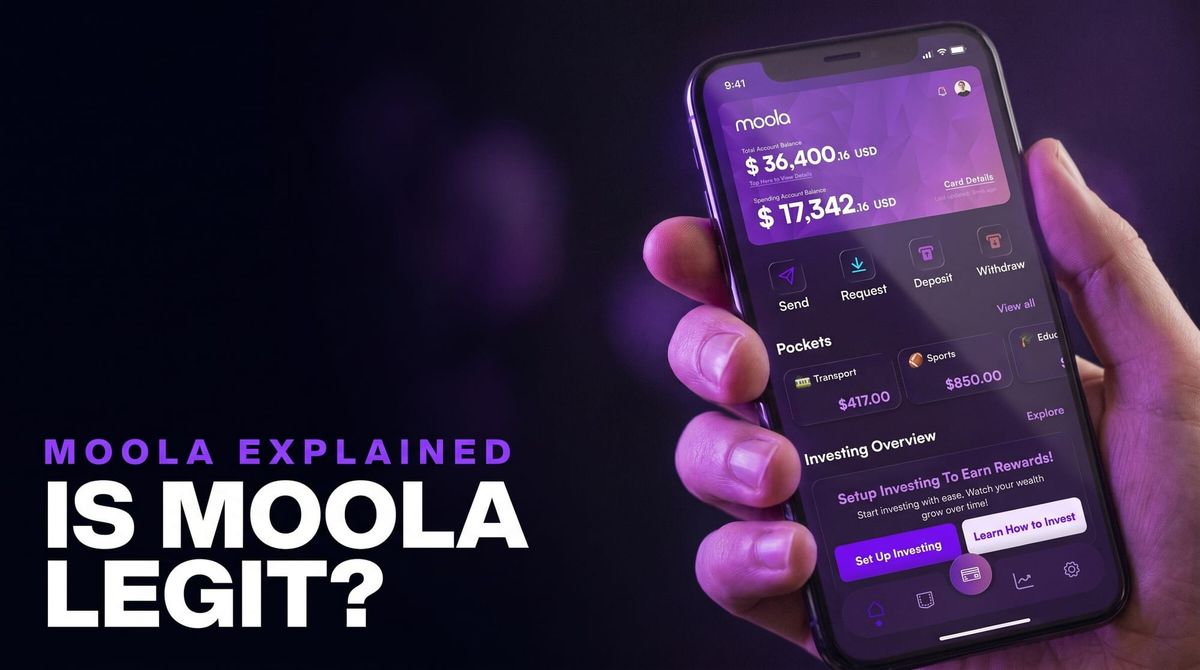
Yes, Moola is legit. Moola is an SEC-registered AI investing app built by Moola Copilot LLC, a Florida company with a public founder and 5,000+ members. Registration with the U.S. Securities and Exchange Commission isn't a badge a company can print for itself. It's a public record you can look up yourself in about two minutes, and this article shows you exactly how. It also covers what registration actually obligates a company to do, what it doesn't promise, and how to evaluate any investing app before you trust it with a dollar. Asking "is this legit?" before downloading a finance app isn't paranoia. It's exactly the right question.
What does it mean that Moola is SEC-registered?
The SEC, the U.S. Securities and Exchange Commission, is the federal agency that regulates the investment industry. When a company registers with the SEC, it enters a public system of accountability. It has to file detailed disclosures about how it operates, how it makes money, and who runs it. Those filings are public documents, not marketing copy, and there are real legal consequences for lying in them.
It's worth knowing this system exists because of hard history. The SEC was created in 1934, after the 1929 crash exposed how easily people could be sold investments built on nothing. The rules that feel like paperwork today, disclosures, examinations, public records, are each a lesson somebody's savings paid for.
Registration also brings ongoing obligations. Registered firms are subject to examination, they have to maintain compliance programs, and they're required to put clients' interests ahead of their own in the advice they give. That last part is called fiduciary duty, which in plain language means: the firm is legally obligated to act in your interest, not just sell you things.
So when you see "SEC-registered," it doesn't mean the government endorses the company or vouches for its app. It means the company operates inside the system that exists to protect investors, files public paperwork under penalty, and can be examined and disciplined. Unregistered operations answer to nobody. That's the difference that matters.
How do you verify Moola's registration yourself?
Don't take our word for it. Verifying a firm's registration takes two minutes and it's the single best habit you can build before trusting any financial company.
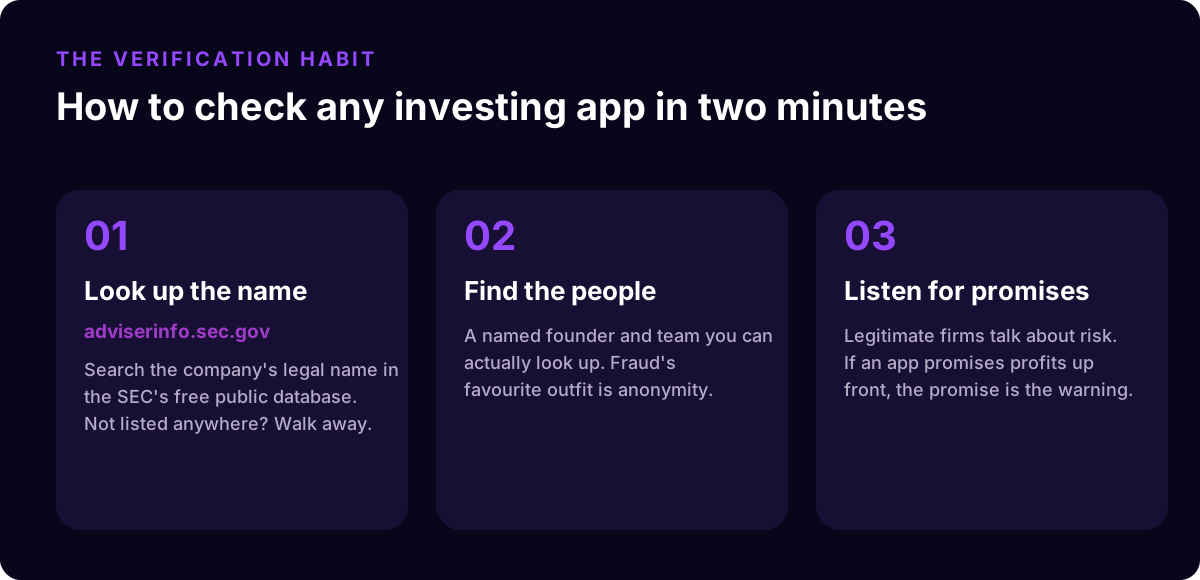
- Go to adviserinfo.sec.gov, the SEC's Investment Adviser Public Disclosure site. It's free and there's no signup.
- Search the firm's legal name. For Moola, that's Moola Copilot LLC.
- Read what comes back: the firm's registration status, its filings, and its disclosure history.
While you're there, look at two things. First, the registration status itself, current and active. Second, the disclosure history, which is where regulators record problems. A clean record tells you one thing; knowing where the record lives tells you more, because a company can't hide from a database it doesn't control.
This works for any investing app, adviser, or brokerage in the United States, not just Moola. If a company that says it manages or advises on investments doesn't appear in the SEC's or your state regulator's records, that's not a gray area. Walk away.
Who's actually behind Moola?
Legitimacy has a second ingredient beyond paperwork: real, findable people. Moola was founded by Jason Schappert, a Florida entrepreneur who built and ran a successful education company before Moola. He's public about who he is, he puts his own face and name on the product, and he answers to the members using it. That matters because most genuinely fraudulent finance apps share one trait: you can't find out who runs them.
Today Moola has 5,000+ members. It's a real company with a real team, real regulatory filings, and a founder whose reputation is attached to the outcome. None of that makes Moola perfect, and it doesn't make any investment inside the app a sure thing. It makes Moola accountable, which is what "legit" actually means.
What SEC registration does not mean
Honesty cuts both ways, so here's the other half. Registration is about conduct, not results.
- It doesn't remove market risk. Investments can lose value inside any app, registered or not. Anyone who tells you otherwise is lying to you.
- It doesn't promise results. No legitimate company tells you in advance that you'll make money. In fact, promising profits up front is one of the clearest signs a company is not legitimate. Regulated firms are required to talk about risk plainly, which is why every honest investing page you'll ever read, including this one, carries a risk disclaimer.
- It doesn't mean the government picked your investments. The SEC oversees conduct and disclosure. What you invest in is still your decision.
If you ever see a finance app promise profits up front, "risk-free" growth, or results that sound too good to be true, close the app. Regulation exists precisely because those promises fooled people for a century before the SEC existed.
How do you spot an investing app that isn't legit?
Here's the checklist worth keeping, for Moola or anything else you ever consider:
- Registration you can verify. The firm appears at adviserinfo.sec.gov or in your state regulator's records, under a legal name it tells you plainly.
- Real people. A named founder and team you can look up, not stock photos and first names.
- Clear fees. You can find what the service costs before you sign up, written in numbers, not buried.
- No promised profits. Legitimate firms talk about risk. Frauds talk about certainty.
- Your money is reachable. Deposits and withdrawals work through normal banking channels, and nobody pressures you to "act now."
- Boring paperwork exists. Disclosures, terms, tax documents. Scams skip the boring parts.
An app that passes all six isn't automatically the right choice for you, but it's playing by the rules that exist to protect you.
What does Moola actually do?
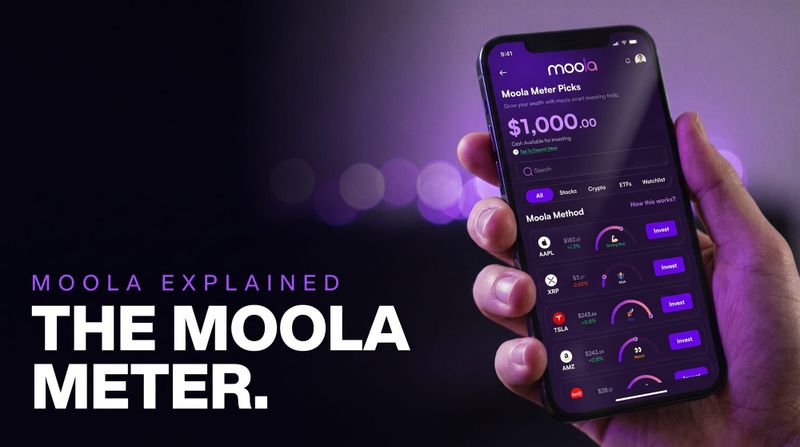
Moola's job is to make investing understandable for people who don't come from finance. The centerpiece is the Moola Meter, which scores every investment across 52+ factors and hands you back one simple number. No charts to decode. No jargon to Google. Just: is this a good investment or not?
For people who'd rather not manage things themselves, Moola also offers SOPHIA, automated investing that builds and rebalances a diversified portfolio for you. And for anyone starting from zero, the community runs $5 Fridays, a habit of setting aside a small amount every week, because consistency matters more than starting size.
If you want the full walkthrough of the app, we wrote What Is Moola and How Does It Work?
Wondering "is this legit?" is the right instinct
One more thing, because it's the part most finance companies won't say. If you found this article by searching "is Moola legit," you did the right thing. Checking before you trust an app with your money isn't cynicism, it's exactly the care your money deserves. We'd rather you verify us on the SEC's website than believe a headline, ours included.
That's also why Moola publishes education like this instead of hype. The people we're built for, the 5,000+ members and the folks thinking about joining them, are people being careful with money they worked hard for. Careful is the point. If you take one thing from this page, take the verification habit, and apply it to everything, including us.
This article is educational and not investment advice or a recommendation to buy or sell any security. Investing involves risk, including the possible loss of principal. Consider your own circumstances, and speak with a licensed financial professional for personalized guidance.
Ready to see it for yourself? Download Moola and look around before you put in a dollar. Checking things out first is how we'd want you to do it anyway.
Frequently asked questions
Is Moola registered with the SEC?
Yes. Moola operates through Moola Copilot LLC, an SEC-registered company. You can verify this yourself at adviserinfo.sec.gov, the SEC's free public disclosure site, by searching the firm's legal name. Verifying registration directly with the regulator is more reliable than any company's own marketing.
How do I check if an investing app is legitimate?
Search the company's legal name at adviserinfo.sec.gov, the SEC's public database. Then check for a findable founder and team, clear fees, and normal deposit and withdrawal channels. Treat any promise of profits as a dealbreaker. Legitimate firms talk about risk, not certainty.
Can I take my money out of Moola?
Yes. Your money is yours, and withdrawals work through normal banking channels. Like every investment platform, selling investments follows standard industry settlement before cash is available to transfer. No legitimate platform locks your money in or pressures you to keep it there.
Who owns Moola?
Moola is built by Moola Copilot LLC, a Florida company founded by Jason Schappert, an entrepreneur who built a successful education company before Moola. He's public about who he is and puts his name on the product, which is one practical mark of a legitimate operation.
Does SEC registration mean my investments can't lose money?
No. Registration governs a company's conduct, disclosures, and accountability. It doesn't remove market risk, and no one can promise you gains. Investments can lose value on any platform. A company telling you otherwise is showing you a warning sign, not a benefit.